
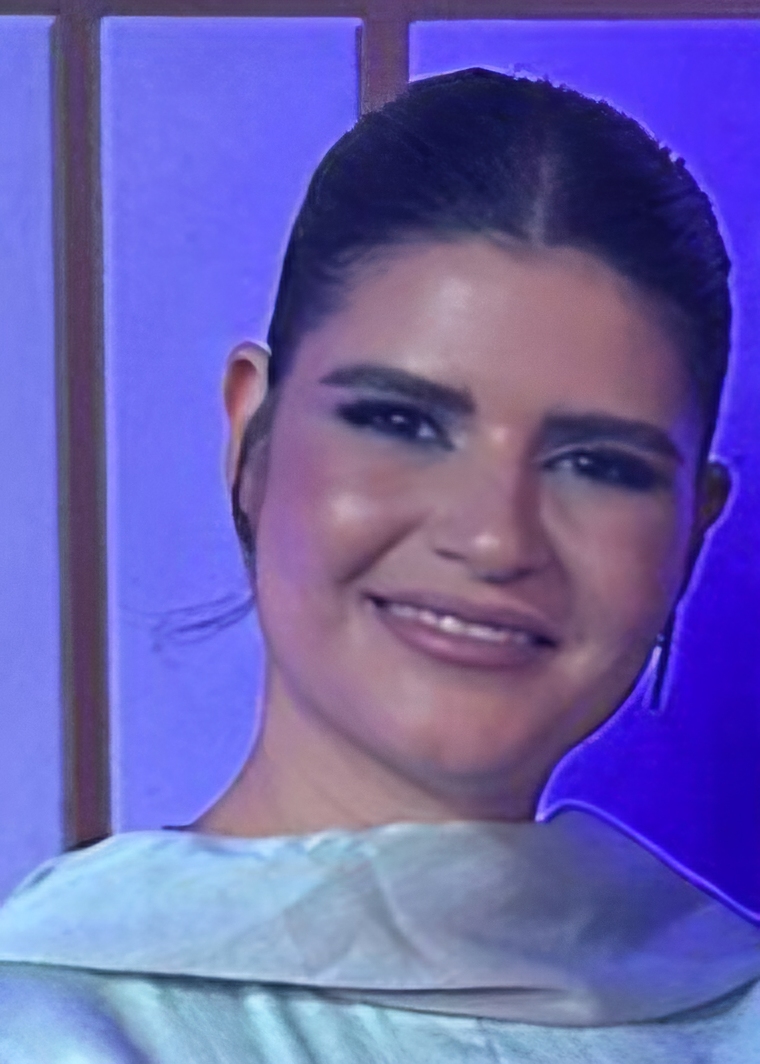
My grandmother, Tayta Fadela Al Haj, was born in 1926, while my grandfather, Seedo Mohamad Abdul Mooti Mansour, arrived in this world in 1925. She was a young 22-year-old, and he was 23 when they were displaced from Saffuriyya, located a short distance from AI Nasirah (Nazareth).
The year 1948 destroyed their village, besieged and bombed by Zionist aircrafts. Some men from the village stood their ground, but the Palestinians in Saffuriyya were simple villagers, all they had were old weapons from the Ottoman era. Meanwhile fear gripped the majority, who were horrified by the atrocities they already heard of, like the Deir Yassin Massacre, and particularly the sexual brutalities inflicted upon women.
It was during the Holy Month of Ramadan that my grandparent’s neighbourhood got attacked. The attack was timed just before sunset, when families were gathering to break their fast. My Seedo, working as a truck driver in a refinery in Haifa, rushed back upon learning of the assaults on Saffuriya. Witnessing the chaos, he immediately joined the fight.
As the sun was about to set, with the Iftar (breaking the fast) meal ready on the table, my Tayta could only clutch the house key as she departed. She left with the food still warm on the table, and all her life behind, assuming she will return in a few days.
Forced into exile, they fled on foot and rode on donkeys, seeking refuge amidst nonstop bombings. They kept fleeing until un knowingly crossing into Kafr Kila, near Southern Lebanon, completely oblivious to their new location in a foreign land. Mean while, Seedo stayed behind to fight, where he sustained injuries in the Battle of Al Shajarah. Thankfully he was able to rejoin his family while they were in Kafr Kila. Still fleeing for safety, they Continued to walk until they reached another town called Al Nabatieh, and then onto Ain Al Hilweh Refugee Camp where they finally settled. I recall my Tayta mentioning with horror in her eyes, that many women gave birth on that journey, and a lot of children died on it too. Many got sick, and many were buried along the way.
The refugee camp became more than where my Tayta and Seedo relocated; as a desperate imitation of the Saffuriyya village, it became their sanctuary. Eid was celebrated there, extended relatives were visited, traditional Palestinian meals and rituals were shared and kept alive. What struck me most during these visits were the alley names, named after the villages people were forcefully exiled from a stark reminder of our scattered past.
Tayta stubbornly refused to relocate outside Ain AI Hilweh Refugee Camp, yearning solely for a return to her home in Palestine. Her heart mourned her lost life and the simple joys of her home in Palestine- her cows, horses, the bountiful land with olives, pomegranates and wheat, recollections of my grandparents’ first encounter at the well, the Palestinian harvest season songs all of these filled her tales of a serene and flourishing Palestine.
My parents survived despite the confines of the refugee camp, finding love amid adversity. Although they managed to acquire a house outside the camp, Lebanese laws barred them from officially registering it under their name.
My Tayta departed this world without setting foot in Palestine ever again, a loss that gnaws at my soul each passing day. To many western countries for 30 years ( now I am Canadian) I was “stateless” on paper, but I am a daughter and granddaughter of Palestine. I am Palestinian essence, while my travel documents used to reflect my reality.
When I listened to my grandmother’s stories, no matter how much I tried to imagine the extent, oppression, and suffering of my ancestors’ journey of being uprooted from their land, I could not grasp even a small part of these tragedies. But I never imagined that my ancestors’ tragedy would be repeated, but this time it was the turn of wounded Gaza before the eyes of the world that considers itself civilized… Despite the harshness of the Nakba and the tragedies of the forced displacement stories, my grandmother refused to be uprooted. With her innate intelligence, she flowed into my imagination and was able to weave into it the enjoyable stories of her childhood. She drew in my imagination her image as a child dancing and singing in the grape and pomegranate harvest season, sometimes embroidering a piece of cloth that reflected the identity of her village, and sometimes running to the mosque to pray and in another chance
to the church to meet the beautiful nuns that used to visit from Europe with their unconditional kindness they teach the small ladies and some times they give them certain medications, where the nuns used to be a teacher, a nurse and a great mentors, this reflects the spirit of brotherhood between Muslims and Christians in my small village.